
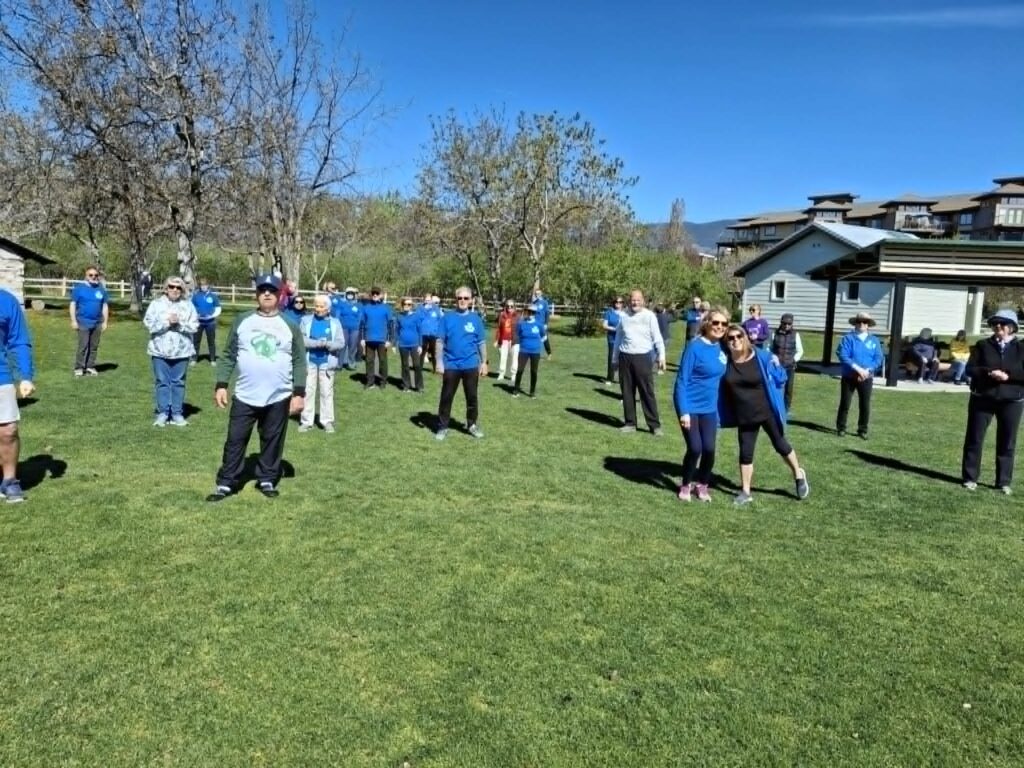
As summer unfolds, our Tai Chi practice invites us outside.
Beyond the studio walls, the garden becomes our teacher. The rhythm of breath meets the rhythm of the wind. Our feet root into soil, grass, sand, or stone. Our arms move like branches in a breeze. Our attention widens. Our senses awaken.
Practicing Tai Chi in a community garden is more than a seasonal change of scenery—it is a return to the conditions the body and nervous system were designed to thrive in. It is one of the simplest and most beautiful ways to begin creating a Blue Zone in our community: a place where movement is natural, connection is meaningful, and health is woven into daily life.
Why Tai Chi Belongs Outdoors
Tai Chi is already a whole-person practice. It integrates movement, breath, focus, balance, and awareness. Outdoors, these benefits deepen.
Tai Chi and Qigong are now widely recognized as “whole person health” practices because they support physical resilience, emotional regulation, cognitive clarity, cardiovascular health, and social connection—all at once. Researchers from Harvard Medical School’s Osher Center describe Tai Chi as a multimodal practice whose benefits come not only from movement and breath, but also from mindfulness, natural breathing, focused attention, and social support. (Sage Journals)
In other words, Tai Chi is already designed for Blue Zone living.
And when practiced outdoors, many of its most powerful ingredients are amplified.
The Nervous System Loves Nature
Modern indoor environments are filled with mechanical noise, artificial light, stale air, and sensory monotony. Heating systems hum. Screens flicker. Air circulates, but rarely refreshes. Over time, this can dull the senses and keep the nervous system in a low-grade state of vigilance.
Nature offers a different sensory experience.
Outdoors, the body receives gentle, restorative stimulation:
- birdsong instead of machinery
- breeze instead of recycled air
- natural light instead of fluorescent glare
- the scent of earth instead of synthetic fragrance
- the subtle texture of grass, soil, stone, or sand beneath the feet
This matters more than we may realize.
Research consistently shows that time in nature helps reduce stress, calm the nervous system, improve mood, and restore attention. Even specific types of plant environments have been shown to reduce physiological and psychological stress in measurable ways. (Nature)
When we practice Tai Chi outdoors, we are not just exercising in nature—we are co-regulating with it.
The wind teaches softness.
The earth teaches rooting.
The sky teaches spaciousness.
The sounds of nature gently bring us back into the present moment.
The Healing Power of Sound in Nature
One of the most immediate changes we notice when practicing outdoors is sound.
Inside, our ears adapt to artificial background noise—fans, refrigerators, electronics, traffic, and ventilation systems. These sounds often fade into the background, but the nervous system continues to process them.
Outside, sound becomes restorative.
Birdsong, rustling leaves, insects humming, distant water, and the movement of wind through trees create a layered soundscape that is both stimulating and soothing. These sounds help awaken auditory awareness in a way that is gentle rather than jarring. They sharpen our listening and soften our vigilance.
Natural soundscapes are known to support restoration, improve attention, and reduce stress load. In Tai Chi, this becomes part of the practice. Listening becomes an extension of sensing. Awareness widens. The mind settles.
We do not need silence to find calm.
We need meaningful sound.
Grounding Through the Feet
Tai Chi begins at the root.
Practicing outdoors invites us to reconnect with one of the most important principles in Tai Chi: grounding.
When we stand on grass, soil, sand, or stone, the feet receive richer sensory information than they do on polished indoor floors. The nervous system responds to these subtle changes in texture, temperature, pressure, and stability. This can improve proprioception (our sense of where we are in space), balance, and body awareness.
The earth gives us feedback.
Grass softens.
Sand teaches adaptability.
Stone teaches structure.
Soil teaches rootedness.
Every surface becomes part of the lesson.
And every step becomes a conversation with the ground.
Community Gardens as Blue Zone Spaces
Blue Zones are communities where people live longer, healthier lives—not because of one perfect intervention, but because healthy choices are built into the environment.
People move naturally.
They gather regularly.
They spend time outdoors.
They eat nourishing foods.
They feel connected to purpose, place, and one another.
A community garden paired with Tai Chi brings many of these elements together at once.
It becomes a living wellness space:
- movement is gentle and accessible
- social connection happens naturally
- food and nature are visible and valued
- stress is reduced through rhythm and routine
- belonging is built through shared experience
Research on community gardening shows that these spaces support physical activity, reduce stress and anxiety, and strengthen social wellbeing. In one 2024 study, community gardens were shown to be a highly effective and well-received health promotion strategy, with strong benefits for engagement, stress reduction, and community participation. (Nature)
This is what Blue Zone culture looks like in action.
Not just wellness as a concept.
Wellness as a place we gather.
The Power of Practicing Together
Tai Chi is powerful when practiced alone.
It becomes transformative when practiced together.
Group practice adds something essential: co-regulation.
When we move in rhythm with others, breathe together, and share attention in a calm environment, the nervous system receives cues of safety, connection, and belonging. Group movement can reduce isolation, improve emotional regulation, and create a stronger sense of wellbeing.
Tai Chi research continues to show benefits for mood, emotional regulation, sleep, cardiovascular health, and overall quality of life. It is especially effective because it combines movement, breath, awareness, and community in one accessible practice. (Frontiers)
Practicing together in a garden adds another layer:
we become part of a living ecosystem.
We move with the season.
We breathe with the breeze.
We gather in health.
The Medicine of Colour
Nature nourishes us through colour, too.
When we practice outdoors, the eyes soften and receive a fuller spectrum of visual information than most indoor environments provide. This can be deeply restorative.
Colour affects the nervous system, mood, and attention.
In the garden:
- green supports calm, restoration, and balance
- blue invites spaciousness, ease, and reflection
- yellow stimulates optimism and vitality
- red awakens energy and circulation
- purple invites creativity and contemplation
- white offers clarity and spaciousness
The green of leaves and grass has long been associated with nervous system restoration and visual ease. Blue—seen in sky and water—can encourage calm and emotional spaciousness. The varied colours of flowers awaken the senses, support attention, and invite delight.
Nature does not just give us scenery.
It gives us sensory nourishment.
A Summer Invitation
This summer, bring your Tai Chi practice outside.
Practice in the garden.
Practice by the water.
Practice under the morning sky.
Practice barefoot in the grass.
Practice where the birds can join you.
Let the wind teach your breath.
Let the earth teach your stance.
Let colour feed your senses.
Let community strengthen your spirit.
Take deep, filling breaths of nurturance.
Receive the season.
Move gently.
Root deeply.
And let your Tai Chi practice become part of the living landscape of health in our community.
In just a few short weeks Wine Country Tai Chi Society will be spending their class times outdoors at the Gellatly Nut Farm. If you have always wanted to try a class, or learn more about Tai Chi, please reach out to us. We would love to share our joy of Tai Chi in the Okanagan.
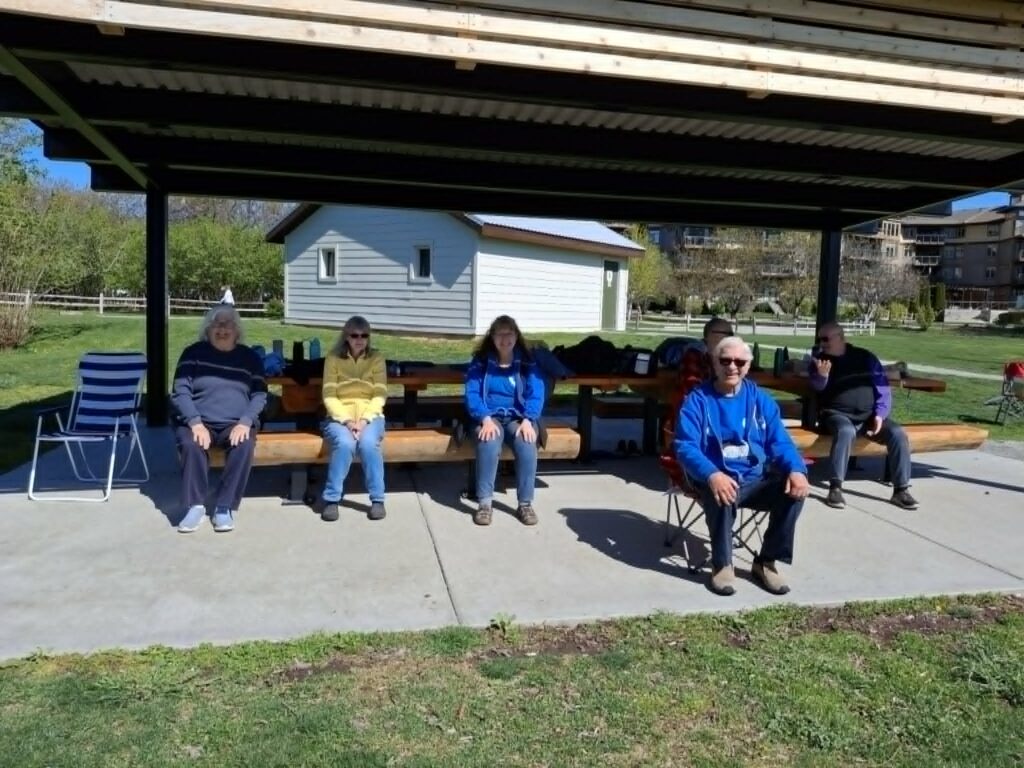
Pictures are from the World Tai Chi and Qi Gong Day event 2026 at Gellatly Nut Farm. This picture includes those people doing the seated set.