
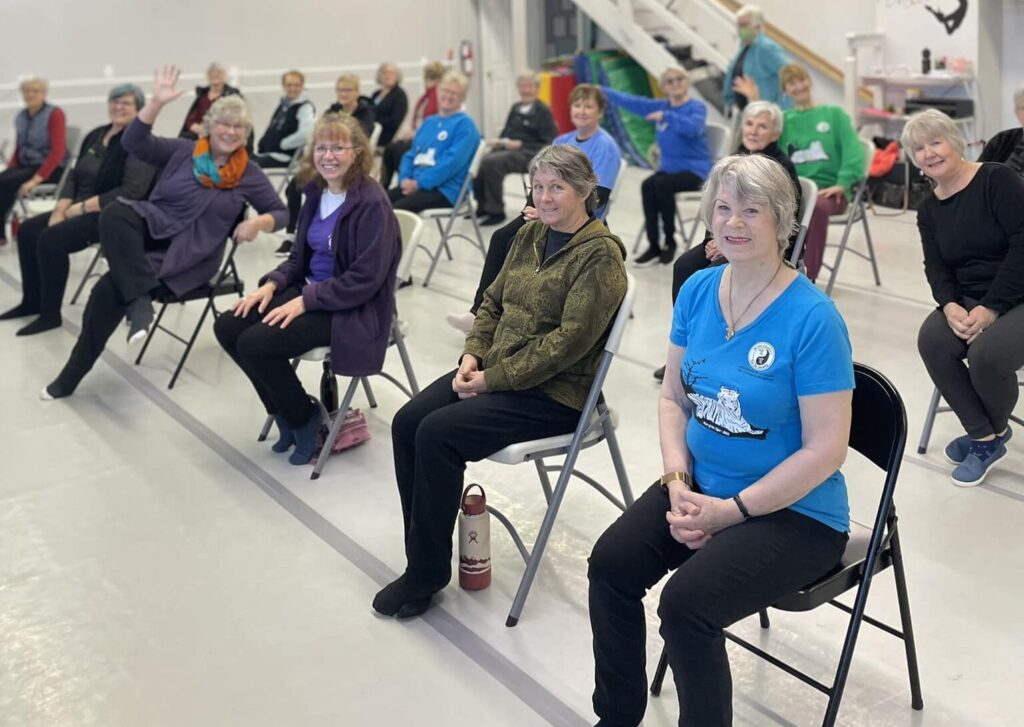
The New Year often arrives with mixed emotions. While there is hope and possibility, there is also pressure—pressure to reset, improve, and move faster toward goals. In winter, these expectations can feel especially heavy. Shorter days, colder weather, limited outdoor activity, and the quiet after holiday gatherings can lead to isolation, tension, and increased stress.
As we recognize January as Mental Health Month, this is an important time to reframe how we approach well-being. Rather than pushing harder, Tai Chi invites us to soften, listen, and move with intention. Through gentle, mindful practices, Tai Chi helps regulate the nervous system, reduce stress, and strengthen community—key ingredients in creating a Blue Zone culture where people thrive through connection and sustainable self-care.
Below are five Tai Chi activities that are especially supportive during the New Year, offering practical ways to reduce stress while nurturing resilience and balance.
Understanding New Year Stress
Many people unknowingly place added stress on themselves in January by:
- Setting unrealistic resolutions
- Expecting high energy during a season of rest
- Reducing social interaction after the holidays
- Becoming less physically active due to weather and daylight
Tai Chi works with these realities instead of against them. It supports gentle movement indoors, emotional regulation, and a sense of rhythm and routine—essential elements for mental and emotional wellbeing.
1. Hands Turning: Finding Flow and Continuity
Hands Turning is a simple yet profound Tai Chi practice that emphasizes spiral action that inspires the neck, spine, knees and lower legs, coming from the rotation of the writs and hands. Our breath begins to slow with this as well.
This movement helps:
- Calm mental overactivity
- Improve circulation
- Restore a sense of flow
- Connect parts of our body that aren’t considered close to each other
As the hands turn smoothly, the mind follows. Repetitive, spiral movement reassures the nervous system, helping release the urgency and self‑imposed pressure that often accompanies the New Year.
Hands Turning reminds us that progress does not have to be linear—it can be rhythmic and easeful.
2. Brush Knees: Releasing Tension Through Grounded Movement
Brush Knees integrates gentle stepping with coordinated arm movement, promoting grounding and stability.
This practice supports:
- Physical balance and coordination
- Emotional steadiness
- Confidence in movement
Brush Knees helps release tension held in the hips, knees, and lower back—areas that often tighten during colder months when movement is reduced. The grounded nature of this form fosters a sense of safety and presence, reducing anxiety and stress. Learn the pattern seated first, and gain the benefits of the gentle rotations of the muscles and limbs, then graduate to the leg and foot patterns. Eventually, the coordination of hands and feet provide you with an expansion and contraction flow that massages the bottom of the foot and energizes all the systems in the body.
3. Seated Don Yu’s: Nervous System Support and Accessibility
Seated Don Yu’s offer a powerful stress‑reduction practice that can be done anywhere, making it ideal during winter and for those experiencing fatigue or limited mobility.
This gentle spinal wave:
- Encourages relaxation of the back and shoulders
- Supports vagal tone and emotional regulation
- Enhances internal awareness and deeper breathing
Seated Don Yu’s are particularly effective for reducing stress related to isolation, as they reconnect us to our internal rhythm and breath. This practice reinforces the idea that self‑care does not require intensity—only presence.
4. Ward Off Monkey: Letting Go of Mental Loops
Ward Off Monkey is a playful, backward‑stepping movement that encourages coordination, awareness, and release.
This form helps:
- Break repetitive thought patterns
- Improve balance and spatial awareness
- Cultivate adaptability
As we step back and redirect energy, Ward Off Monkey symbolically supports letting go of habits, thoughts, or expectations that no longer serve us. It invites curiosity and lightness—an antidote to the seriousness many bring into the New Year. It is a great partner with Brush Knees which move forward.
5. Parting Bamboo: Creating Space and Emotional Ease
Parting Bamboo emphasizes opening, lengthening, and gentle expansion through the arms and torso.
This movement supports:
- Emotional release
- Chest opening and breath capacity
- A sense of spaciousness
During winter, when people may feel emotionally closed or isolated, Parting Bamboo restores openness and ease. It encourages us to make space—not only in the body, but in our expectations of ourselves.
Tai Chi, Mental Health, and Blue Zone Living
Blue Zones around the world share common traits: regular movement, strong social connections, purpose, and stress management. Tai Chi naturally weaves these elements together.
Practicing Tai Chi as part of a regular routine:
- Builds consistency without burnout
- Encourages community participation
- Supports mental and emotional resilience
By gathering regularly, moving gently, and supporting one another, Tai Chi communities help create local Blue Zones—places where wellbeing is sustained collectively, not pursued alone.
Moving Forward Gently
The New Year does not require reinvention. It invites reconnection—to body, breath, community, and rhythm.
As we move through winter and Mental Health Month, may these Tai Chi practices offer steadiness, comfort, and clarity. Through small, consistent acts of self‑care, we strengthen not only our own resilience, but the wellbeing of our community.
Slow down. Breathe. Move with intention.
Please email winecountrytaichi@gmail.com to register for your class starting soon. You can see the full schedule on our class listing.