
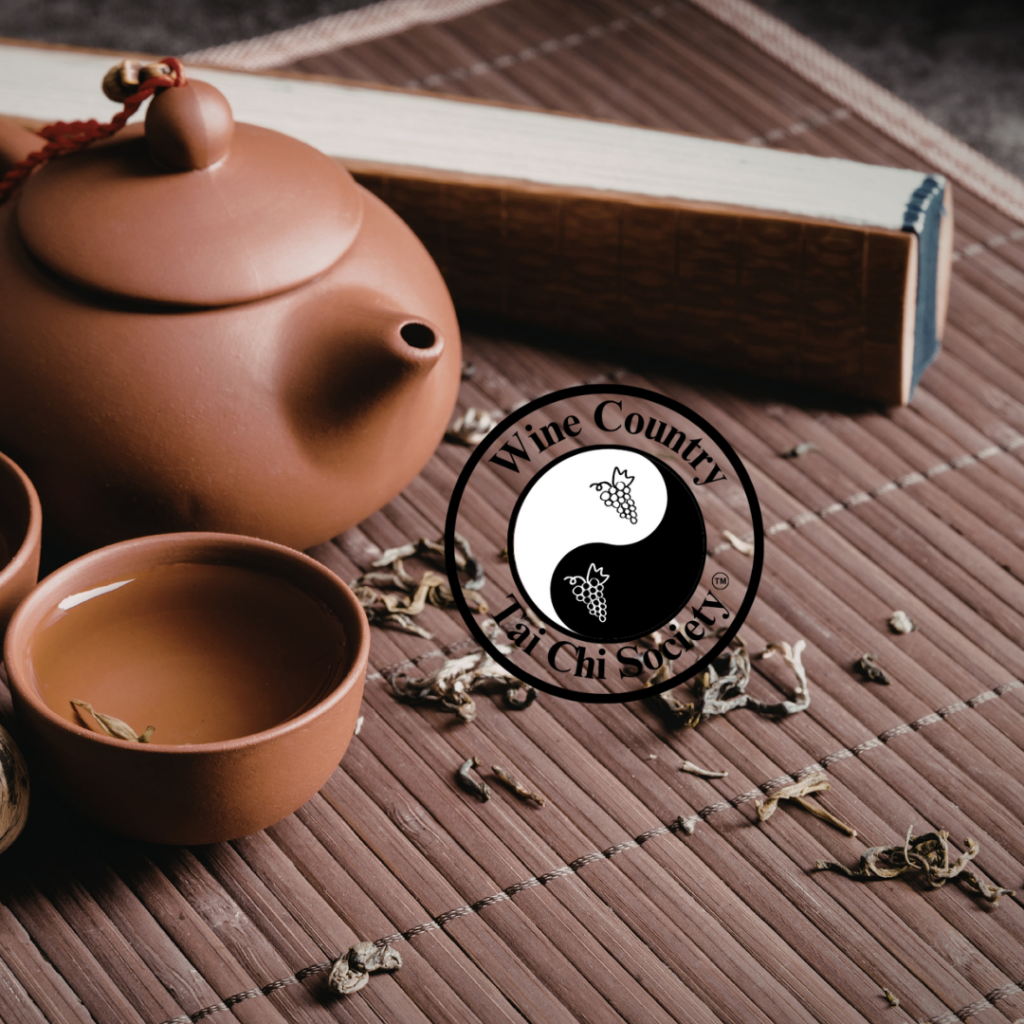
At Wine Country Tai Chi, our practice doesn’t end with the final movement of a form. Instead, it gently transitions into another important part of the experience: tea, conversation, and community connection.
For March, our tea ritual focuses on Lucky Dragon Green Tea, a traditional green tea associated with renewal, detoxification, and clarity. As we move from winter toward spring, this ritual invites us to slow down, breathe deeply, and allow the benefits of our Tai Chi practice to continue unfolding.
The March Theme: Detox, Renewal & Clarity
Spring has long been associated with renewal. In many traditions, it’s considered a time to support the body’s natural detoxification pathways—especially the liver, which plays a key role in processing toxins, regulating metabolism, and supporting overall vitality.
Green tea offers gentle support during this seasonal transition. Rich in antioxidants and known for its calming yet clarifying effects, it complements the slow, rhythmic movement of Tai Chi, helping participants feel both grounded and refreshed.
Our March tea ritual is simple:
Tea Focus: Lucky Dragon Green Tea
Tea Ritual: Mid-morning tea with mindful breathing
Participants are invited to pause, hold their cup, breathe slowly, and take a few quiet moments before conversation begins.
This small act of intentionality can have powerful effects.
The Science of Smell, Memory, and Movement
One fascinating aspect of the tea ritual involves the sense of smell.
When we inhale the aroma of tea, the scent travels directly to the brain’s limbic system, an area deeply involved in emotion, memory, and nervous system regulation. Unlike many other senses, smell connects quickly and directly with emotional processing centers.
But it doesn’t stop there.
The limbic system also communicates closely with the motor system—the part of the brain responsible for coordinating movement. This means the sensory experience of tea can help reinforce the calm, coordinated state created during Tai Chi practice.
In other words, the scent, warmth, and taste of tea help the body remember what it just experienced through movement.
This sensory reinforcement supports the transition from practice mode to daily life, helping the nervous system maintain a sense of balance and coherence.
The Social Medicine of Tea
Equally important is what happens next: conversation.
Tea time provides an opportunity for members to stay after class and connect with one another. In many ways, this may be just as important as the movements themselves.
Longevity research consistently highlights one factor that appears in long-lived communities around the world: strong social connections. Shared rituals—especially those involving food or drink—create natural spaces where relationships deepen and people feel seen and supported.
At Wine Country Tai Chi, tea time is an invitation for members to:
- learn more about one another
- share stories and experiences
- check in with fellow students
- strengthen the sense of belonging within the group
Over time, this simple act of sitting together helps transform a class into a community of care.
A Shared Responsibility for Community Wellness
One of the values we encourage within the club is the responsibility of members to support one another’s wellness journeys.
Healing and personal change rarely happen in isolation. They are strengthened when people feel encouraged, welcomed, and understood.
By staying for tea, members help create an atmosphere where:
- new students feel comfortable
- experienced practitioners can offer encouragement
- friendships naturally form
This supportive environment becomes part of the healing process itself.
Extending the Benefits Beyond the Class
Another important purpose of the tea ritual is to help extend the benefits of Tai Chi beyond the practice session.
Without a transition period, it is easy for people to leave a calming class and immediately return to familiar patterns—rushing, multitasking, or slipping back into old habits.
Tea offers a bridge between practice and daily life.
By pausing for a few minutes after class:
- the nervous system has time to stabilize
- the body integrates the effects of movement
- participants carry a sense of calm into the rest of their day
This transition helps prevent the sudden shift from a regulated state back into stress.
Instead, the body leaves class anchored in clarity and calm.
The March Activity: Sip & Simplify
To deepen the theme of renewal, members are also invited to try a small wellness experiment during the month.
🌱 Sip & Simplify Challenge
For one week, consider reducing sugar or ultra-processed foods and notice how it affects your energy, mood, and clarity.
After practicing Tai Chi and sharing tea, take a few moments to reflect:
What does clarity feel like in your body?
Sometimes the smallest shifts—gentle movement, mindful breathing, a cup of tea, and supportive conversation—can create meaningful change.
The Longevity Lens
The March tea ritual supports several key aspects of healthy aging and longevity:
- Inflammation reduction
- Liver health and detoxification pathways
- Cognitive clarity
- Nervous system balance
- Social connection and community support
Together with Tai Chi practice, tea time becomes more than a refreshment—it becomes a ritual of integration.
A Simple Cup, A Powerful Practice
At Wine Country Tai Chi, we believe wellness is built through small, consistent rituals practiced in community.
A cup of tea shared after movement may seem simple, but within that moment lies a powerful combination of:
- sensory awareness
- nervous system regulation
- social connection
- mindful reflection
As spring approaches, we invite all members to sip slowly, breathe deeply, and stay awhile.
Sometimes the most important part of the class begins after the last movement.